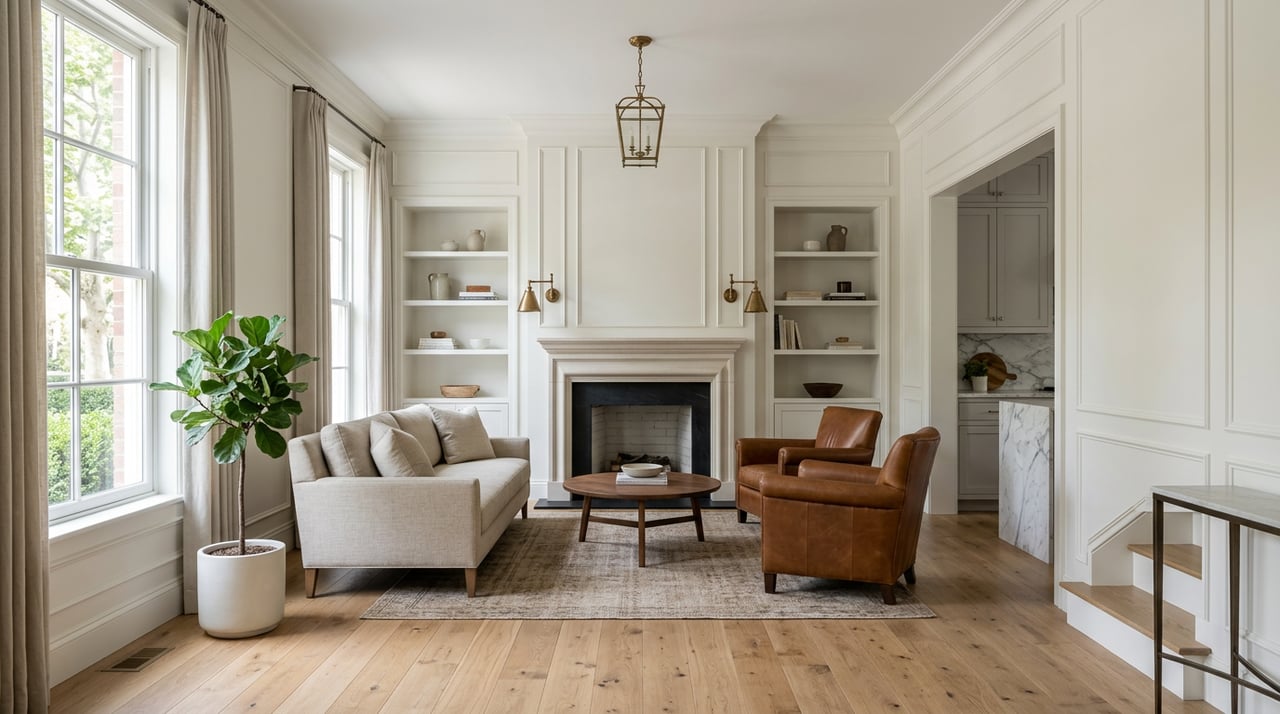
Is a Georgetown townhome on your short list, but you want to be sure it fits your lifestyle and investment goals? You are not alone. Upscale buyers here weigh historic charm, walkability, and design against parking, stairs, and preservation rules. In a few minutes, you will know how to read floor plans, spot value in finishes and outdoor space, and plan for permits if you want to customize. Let’s dive in.
Market reality and buyer profile
Georgetown is a high‑value, supply‑constrained market where median sale prices often range from the high six figures into the upper seven figures. Inventory moves on character, location, and quality of updates rather than square footage alone. Many buyers are relocating executives, diplomats, or established professionals who want a compact, low‑maintenance home with an elegant streetscape and proximity to Georgetown University, dining, and the waterfront.
Set your expectations around trade‑offs. You gain history, walkability, and a prime address. You accept limited parking, vertical living, and some permitting steps for visible exterior changes.
Architecture and layouts you will see
Federal and Georgian streetscapes
Georgetown’s core is defined by brick rowhouses in Federal and Georgian styles, with later Victorian infill. Expect classic façades, symmetrical windows, and refined trim that contribute to the neighborhood’s protected character. The historic district has design guidance that shapes what you can change on visible exteriors.
Raised‑parlor rowhouses
A raised stoop typically leads to the parlor level, the main entertaining floor. This level often has higher ceilings, tall front windows, and formal living and dining rooms. Kitchens may sit at the rear of the parlor level, sometimes opening to a terrace or steps down to the garden.
Garden or English‑basement level
Below the parlor, the garden or English‑basement level is partially below grade. You will see this level used for kitchens, family rooms, mudrooms, or guest suites. If there is a separate apartment, confirm its legal status and certificate of occupancy during due diligence.
Multi‑level living and circulation
Most townhomes span three to five levels, with bedrooms on upper floors and storage or mechanicals in the cellar or attic. Upscale buyers often want a calm vertical flow, generous primary suite, and optional elevator where space and approvals allow. Stair quality, natural light, and bathroom count per floor all affect livability.
Interior finishes that signal upscale
- High ceilings on the parlor level with original moldings and restored wood floors.
- Tall windows, working or decorative fireplaces, and bespoke millwork.
- Modern systems: updated HVAC, plumbing, electrical, roof, and windows where appropriate.
- Renovated kitchens with premium appliances and smart storage.
- Primary suites with spa‑style bathrooms and well‑planned closets.
These items often separate turnkey homes from renovation candidates and help support a premium price.
Outdoor space that elevates daily life
Private gardens and patios
A landscaped rear garden or brick patio can feel like an extra room in a vertical home. Well‑designed outdoor areas often command a premium because they extend living and entertaining space. Thoughtful hardscaping and planting can also boost appeal and speed to sale, a trend seen across urban markets and highlighted in industry guidance on curb appeal and outdoor living value (practical strategies to help homes sell faster).
Roof decks and terraces
Rooftop terraces are desirable for views and entertaining, but approvals in Georgetown are case‑by‑case. The Old Georgetown Board and the Commission of Fine Arts review visible rooftop additions and materials, and they can require design revisions to limit visibility from public ways (learn how OGB review works). If a roof deck matters to you, look for prior approvals or plan early with your architect and builder.
Parking and getting around
Off‑street parking realities
Private parking is limited. Some homes offer a rear alley garage or parking pad, but many do not. Street parking is managed through DC’s Residential Parking Permit system, so confirm permit eligibility and visitor rules for any specific address (DC parking permits overview). Local guides also note that off‑street spaces are prized when available in Georgetown’s historic core (neighborhood orientation to parking and daily life).
Transit and walkability
Georgetown does not have an in‑neighborhood Metrorail station. The nearest stations, such as Foggy Bottom and Dupont Circle, are a pleasant walk or quick rideshare away. Many residents use the DC Circulator for easy connections to Union Station, Rosslyn, and Dupont (see the Georgetown–Union Station route).
Turnkey vs renovate in a historic district
Preservation and permits
Georgetown is DC’s original historic district. Exterior changes visible from public space or alleys often require Old Georgetown Board and Commission of Fine Arts review, while interior work typically needs standard building permits (about the Georgetown Historic District). Reviews are discretionary and can extend timelines, so build design time and potential revisions into your plan (how to apply for OGB review).
Where ROI often concentrates
Remodeling industry data shows small, well‑executed exterior projects and outdoor living upgrades can offer stronger resale payback than full gut renovations. In high‑end markets, buyers often pay for high‑quality turnkey finishes and modern systems rather than cosmetic changes alone (2025 Cost vs. Value insights). If you prefer low risk and immediate livability, turnkey may be worth the premium. If you value customization, a renovation candidate can work, provided you budget for design, reviews, and contingencies.
Due diligence and financing
Structural changes, roof work, or additional stories often trigger preservation review and sometimes zoning relief. Unpermitted alterations in older homes can complicate sales and financing, so verify permits, prior approvals, and occupancy history during contract review. If a garden‑level unit exists, confirm whether it is legally permitted before you plan guest stays or rental use.
Your quick 10‑point tour checklist
- Title and status: Is the home a contributing resource in the Georgetown Historic District? That guides future exterior changes.
- Parking: Is there a rear alley garage or pad? Confirm RPP eligibility and visitor rules with DC.
- Outdoor spaces: Garden, patio, terrace, or roof deck. If rooftop, ask about prior approvals and visibility from public ways.
- Systems: Age and condition of HVAC, plumbing, electrical, roof, windows, and drainage.
- Layout: Number of levels, parlor and garden arrangement, and stair comfort.
- Light and flow: Size of front windows, ceiling heights, and transitions between rooms.
- Kitchen and baths: Quality of finishes, appliance brands, and storage design.
- Primary suite: Bathroom layout, closet capacity, and privacy from secondary bedrooms.
- Accessibility: Feasibility of an elevator or stair modifications if needed.
- Legal occupancy: If there is a garden apartment or accessory unit, confirm permits and certificate of occupancy.
Permitting and preservation note
- Exterior work visible from public space in Georgetown is often subject to Old Georgetown Board and Commission of Fine Arts review. Approvals are discretionary and consider visibility, materials, and scale. Start early with your architect and review the public guidance to set expectations (OGB process overview).
Final guidance
Focus on your non‑negotiables first: parlor‑level ceiling height, private garden, a calm primary suite, and any need for off‑street parking. Then weigh turnkey comfort against the time and design freedom of a thoughtful renovation. With clear priorities and a steady guide, you can secure a townhome that honors Georgetown’s character and fits your day‑to‑day life.
If you want a strategic search plan, vetted vendor referrals, and measured advice on value versus effort, connect with Christine Basso Fitzgerald. Schedule a Personal Consultation.
FAQs
Can I add a roof deck to a Georgetown townhome?
- Maybe. Rooftop work that is visible from the street or alley usually needs Old Georgetown Board and Commission of Fine Arts approval, with visibility and materials reviewed case by case (learn more).
How common is private parking in Georgetown?
- Limited. Some homes have rear alley garages or pads, but many rely on the Residential Parking Permit system for street parking; verify eligibility and visitor limits for each address (parking permit overview and neighborhood orientation).
Is turnkey worth the premium in this market?
- Often yes for time‑pressed buyers. High‑quality finishes and updated systems tend to command a premium and reduce early ownership risk, while large renovations can have more variable payback (2025 Cost vs. Value insights).
How do I get around without a Metro stop in Georgetown?
- Many residents walk to nearby stations like Foggy Bottom or Dupont Circle, use the DC Circulator to connect across the city, and rely on rideshare when needed (Circulator route).
Do I need approval for exterior changes in Georgetown?
- If the work is visible from public space or alleys, expect Old Georgetown Board and CFA review. Interior work typically follows standard building permits, but plan for possible design and timeline impacts in a historic district (district overview).