Trying to decide when to list your Chevy Chase home? You are not alone. Timing your sale can influence how many buyers see your home, how quickly you get an offer, and your final price. In this guide, you will learn how seasonality works in Chevy Chase, the key data points that signal a strong window, and a clear prep timeline so you can list with confidence. Let’s dive in.
Why timing matters in Chevy Chase
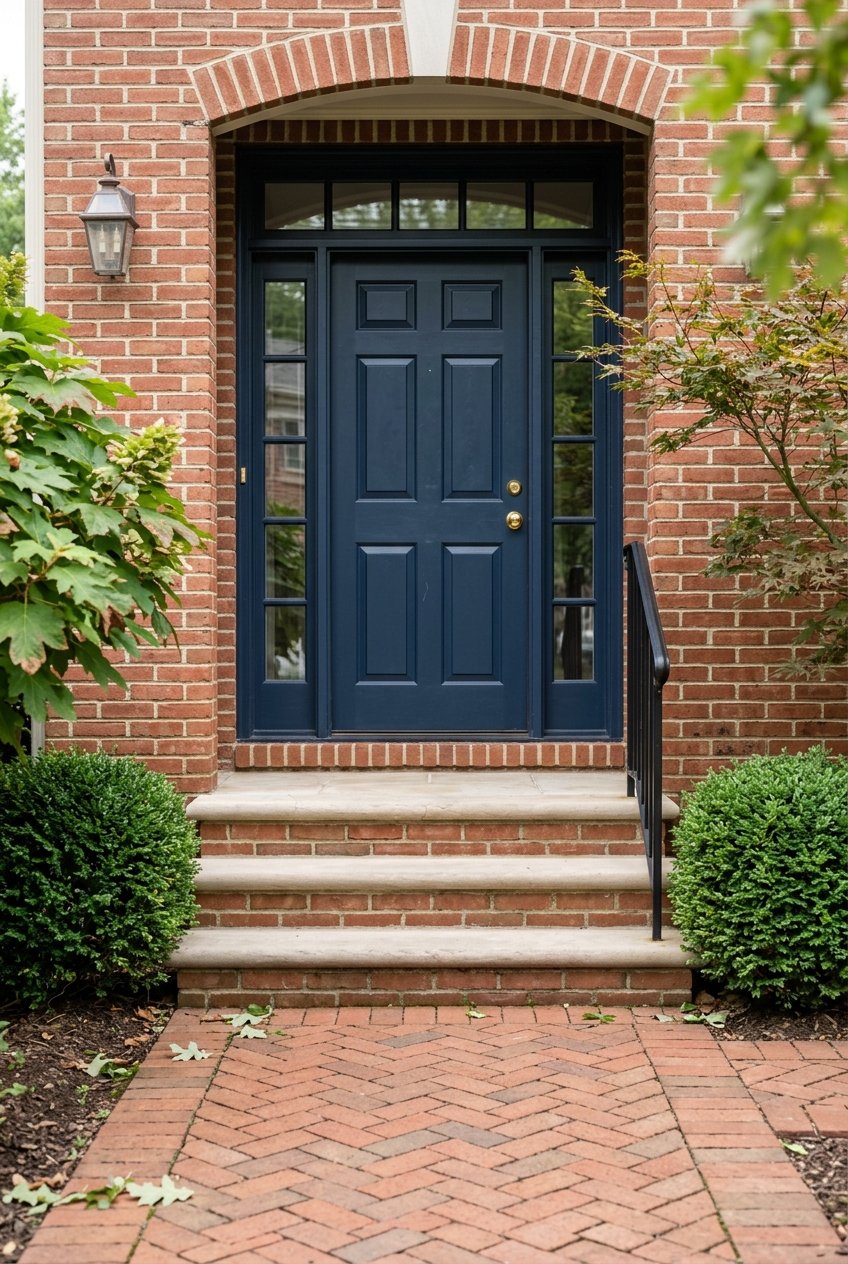
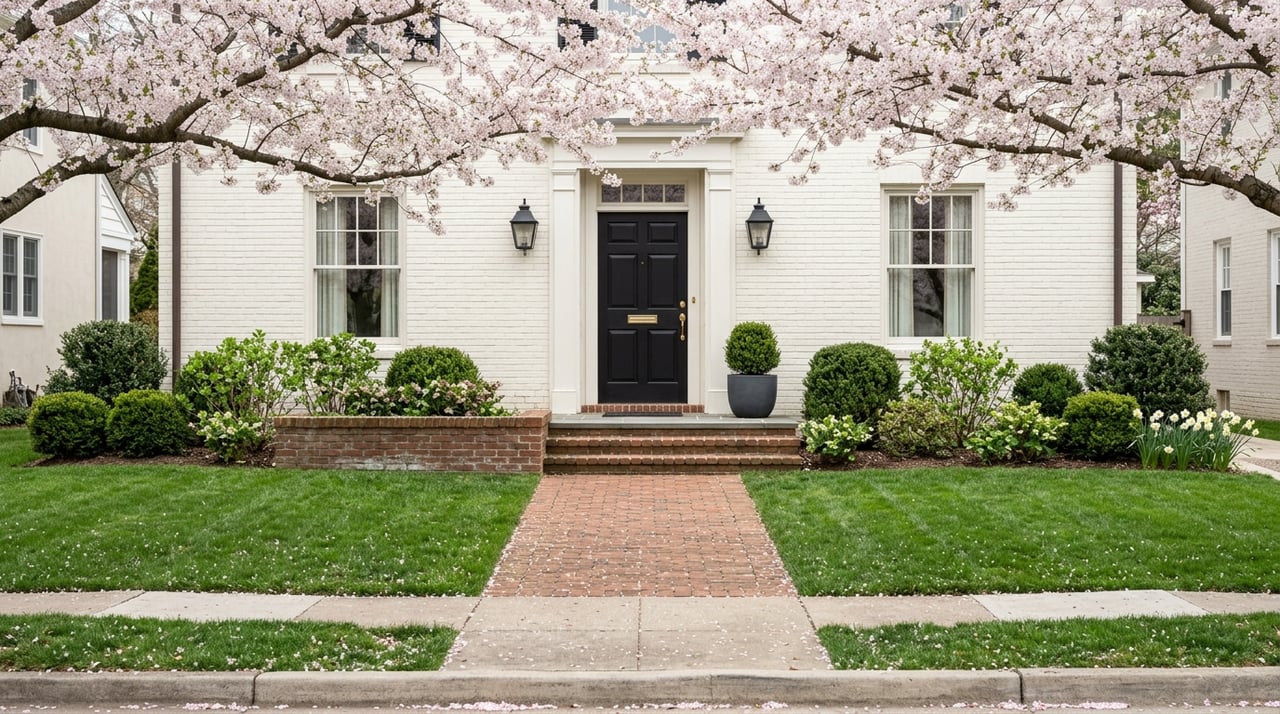
Chevy Chase (DC) is largely made up of detached single-family homes with yards and mature landscaping. That means curb appeal, exterior condition, and presentation have a big impact on buyer interest and price.
Many buyers are professionals, families, and empty nesters who value commute access and proximity to schools and neighborhood amenities. Their schedules often follow the school-year calendar, which influences when they shop and move.
At higher price points, there are fewer buyers and marketing times can be longer than entry-level homes. The right timing and a targeted launch plan help your listing stand out and reduce days on market.
Chevy Chase seasonal pattern
Spring peak: February to May
Buyer activity in the broader D.C. area typically builds from late winter into spring. Listing in early spring often brings more showings and stronger offers because many buyers want to go under contract before summer moves. If you want to capture this momentum, prepare early so you can launch on schedule.
Summer snapshot
Early summer can remain active. As vacations and relocations ramp up, buyer attention can fragment, and very late summer may slow. Motivated buyers are still in the market, but you will want pricing and presentation dialed in to keep urgency high.
Fall second window
September and October often create a smaller, productive window. Some buyers who missed spring want to settle before winter. If you prefer to avoid the busy spring competition, a well-prepared fall listing can be effective.
Winter opportunities
Winter usually brings the lowest inventory and fewer buyers. If you have a turnkey home and price it thoughtfully, lower competition can help you stand out. Expect fewer showings but potentially more focused interest.
Read the market with 7 metrics
Use neighborhood-level data to confirm whether the next few months look favorable. Track these on a rolling 12-month basis and compare to the same months in prior years.
- New listings per month (supply flow): rising counts mean more competition for attention.
- Closed sales per month (demand flow): steady or rising sales support pricing confidence.
- Absorption rate or pending ratio: higher absorption suggests a stronger seller environment.
- Months of supply: under roughly 4 months is often seller-favorable, but compare to local norms.
- Median Days on Market (DOM): sharp drops signal peak buyer urgency.
- Sale-to-list price ratio: rising ratios indicate competitive bidding.
- Price per square foot and new pendings-to-new listings: helpful leading indicators of acceleration or slowdown.
Pro tip: Build simple month-by-month charts for the past 3 to 5 years. Identify months that consistently deliver the lowest DOM and highest sale-to-list ratios. Those are your historical sweet spots.
A simple decision framework
Step 1: Assess market indicators
If absorption and sale-to-list ratios are approaching recent spring highs and DOM is compressing, favor the upcoming spring window. If absorption looks softer but inventory is very low, a late fall or winter listing can still perform for a well-priced, move-in-ready home. For unique or upper-tier properties, list earlier in late winter to build momentum into spring.
Step 2: Align with your timing
If you aim to move in summer, list in late winter or early spring so your contract and closing line up with your move. If you need proceeds from the sale to purchase next, weigh price maximization against certainty and timing. When you have a fixed deadline, use the local median DOM plus a buffer to set your list date.
Step 3: Check home readiness
If your home needs repairs or updates, complete the work before listing. Allow 8 to 12 or more weeks for larger projects. For cosmetic updates and staging, plan 2 to 6 weeks. If your home is already turnkey, time your launch to catch peak buyer attention.
Outcome rules
- Goal: maximize net price. Target early spring after full preparation, or list in late winter to catch early researchers.
- Goal: predictable timing. List slightly before the peak to allow marketing and negotiation time, or price more competitively to shorten DOM.
- Goal: low hassle or fast sale. Pick months with historically low DOM and low inventory. Create urgency with a clear pricing strategy and a tight showing plan.
12-week prep plan for spring
Use this sample plan if you want to list in early to mid-March. Adjust forward or backward to match your target date.
12 to 10 weeks out
- Hire a local listing advisor for comps and a market readiness assessment.
- Order optional pre-listing inspections if you want to address issues early.
- Schedule major repairs or contractor work. Build in time for permits if needed.
9 to 6 weeks out
- Complete repairs and deep cleaning.
- Engage a professional stager or follow a detailed staging plan. Begin decluttering and depersonalizing.
- Start landscaping and curb-appeal work: pruning, lawn care, mulch, and entry updates.
5 to 3 weeks out
- Final touches: paint, small fixes, and staging finishes.
- Book professional photography: interiors, exteriors, twilight, and a floor plan.
- Finalize marketing materials and highlight neighborhood amenities and commute options.
2 to 1 weeks out
- Host a broker preview or soft launch to generate early buzz.
- Confirm pricing approach, offer review plan if applicable, and open house schedule.
- Reserve movers and line up logistics in case of a quick contract.
Listing week and first 2 to 3 weeks on market
- Track showings and feedback closely. If traffic underperforms after 10 to 14 days, be ready to adjust.
- Optimize showing windows during peak buyer hours. Keep the home show-ready daily.
Luxury and unique homes
Upper-tier and distinctive properties often benefit from earlier exposure and tailored marketing. Expect longer DOM and fewer direct comparables. Consider:
- Launching in late winter to gather interest before peak spring.
- Investing in bespoke marketing, including video, premium photography, and targeted broker outreach.
- Testing a soft launch or private preview to qualified buyers before going public.
- Calibrating pricing to reflect a longer, strategic marketing horizon.
Pricing and launch strategy
Your list price and launch plan should match your timing goal. In strong spring conditions, you can price near the top of the range if your home is fully prepared and well staged. In slower periods or higher price tiers, consider a tighter pricing band and focus on presentation to create urgency.
A disciplined launch often includes:
- A clear pricing rationale tied to nearby sales and current absorption.
- A defined showing schedule and an optional offer review timeline to channel demand.
- Ongoing evaluation in the first two weeks. Early data tells you whether to hold course or adjust.
Putting it together: sample scenarios
- Move-up family targeting a summer move. List in late February or early March. Prep during winter, stage thoroughly, and launch with polished marketing to capture spring buyers aiming to close by early summer.
- Downsizer coordinating a purchase next. Choose a list date that gives you time to market and negotiate without pressure. Consider listing slightly before the spring peak for better timing control.
- Turnkey home ready now. If absorption is strong and inventory is tight, you can succeed in late fall or winter with clean pricing and standout presentation.
- Home that needs work. Do the improvements first, even if it pushes you past spring. A well-prepared home listed off-peak often outperforms a rushed listing during peak season.
Next steps
The best time to sell in Chevy Chase is where market data, your personal timing, and home readiness intersect. Confirm the next strong window by reviewing local absorption, DOM, and sale-to-list ratios over the past year, then weigh those signals against your goals and project timeline. If you want a design-forward plan, seamless preparation, and clear pricing strategy, let’s create a custom timeline that fits your needs.
Ready to plan your sale? Schedule a Personal Consultation with Christine Basso Fitzgerald for a tailored strategy and a high-touch plan to maximize your result.
FAQs
When is the best month to sell in Chevy Chase, DC?
- Late winter to early spring typically brings the largest active buyer pool, but confirm with current absorption, DOM, and sale-to-list trends before you list.
Should I wait for spring if my home needs work?
- No. Finish the necessary updates first, then list when the home is ready, since a well-prepared property can outperform a rushed spring listing.
How long will my home take to sell in Chevy Chase?
- Marketing time is usually shorter in peak seasons and longer for higher-priced or unique homes, so use the neighborhood median DOM and add a buffer.
What improvements pay off before listing?
- Prioritize repairs, curb appeal, cleaning, fresh paint, and professional staging, then back it up with strong photography and a clear launch plan.
Is winter a bad time to sell in Chevy Chase?
- Winter has fewer buyers but also less competition, so a turnkey, well-priced home can still attract focused interest and a solid offer.