Wondering what everyday life feels like in Cleveland Park? If you want a leafy, residential pocket of DC with an easy commute and a relaxed neighborhood rhythm, this corner of Upper Northwest is worth a closer look. You will find streets lined with mature trees, human-scaled buildings, and a walkable main street where daily errands are simple. In this guide, you will learn what it is like to live here, from homes and transit to parks, schools, and practical tips to help you decide if the neighborhood fits your life. Let’s dive in.
Cleveland Park at a glance
Cleveland Park sits along Connecticut Avenue in Northwest DC, centered on the Cleveland Park Metro station on the Red Line. It is north of downtown and considered part of the city’s Upper Northwest corridor. You get a classic DC blend here: urban convenience paired with a quieter residential feel.
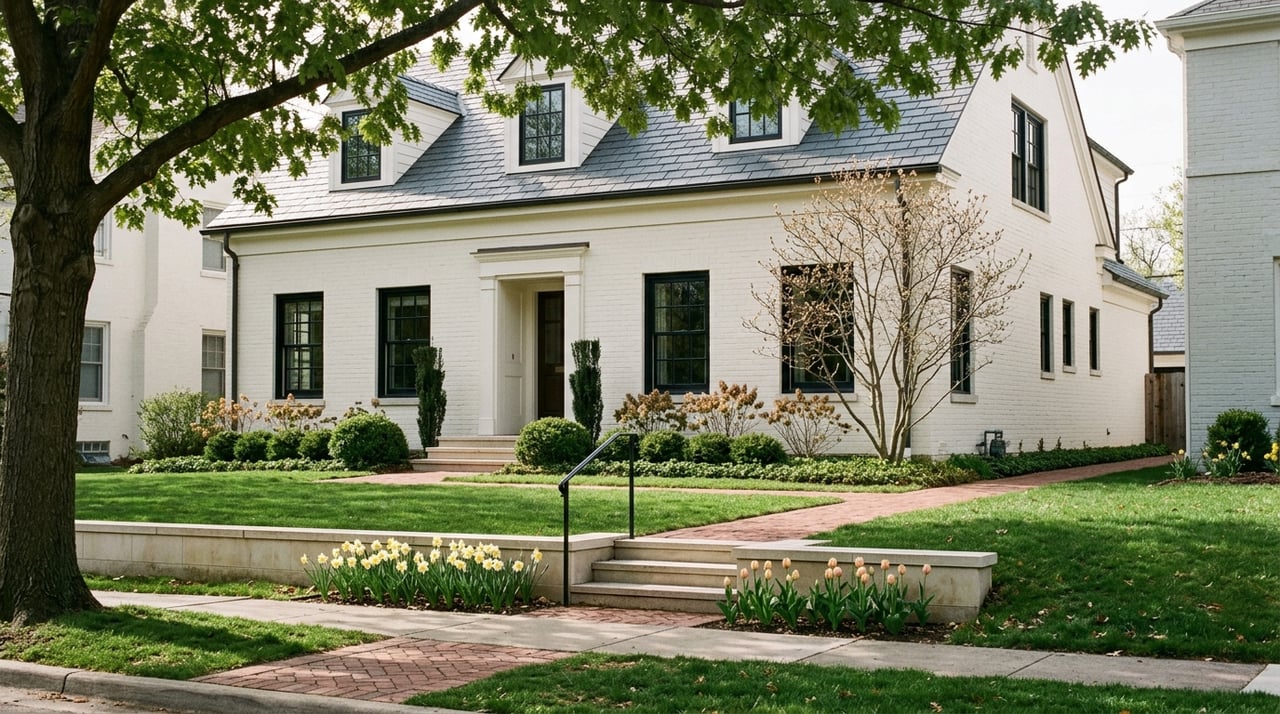
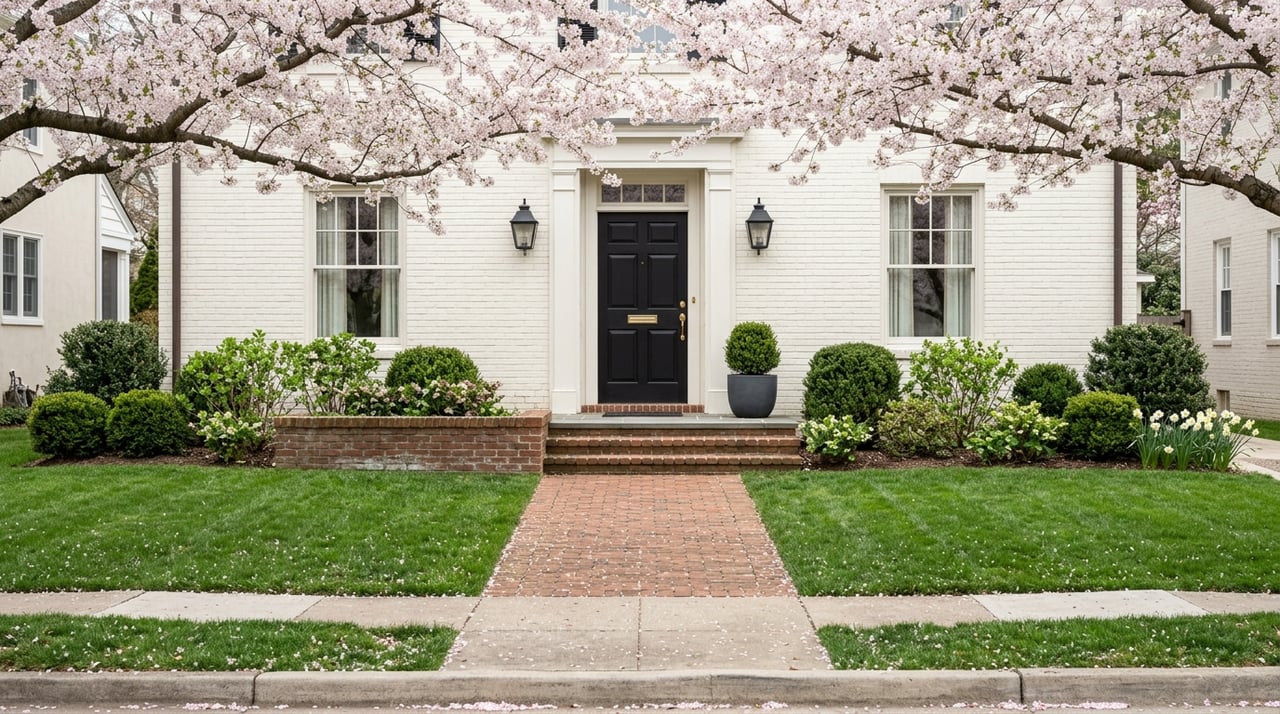
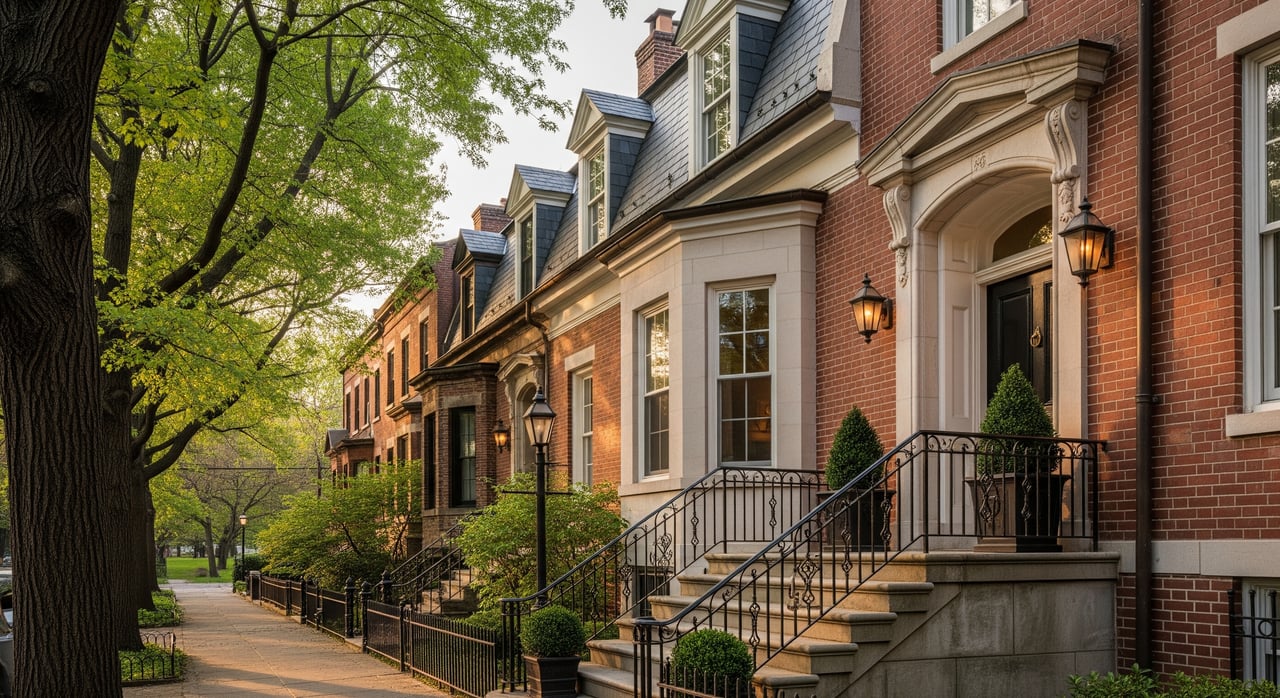
Much of the neighborhood is historic, with homes and apartment buildings dating to the late 19th and early 20th centuries. Blocks within the historic district are subject to local preservation review, which helps maintain the area’s architectural character. You will see early 20th century single-family homes and apartment buildings rather than large modern high-rises.
Housing types and character
Housing in Cleveland Park ranges from detached and semi-detached single-family homes to rowhouses and low to mid-rise apartment or condominium buildings. Many homes reflect Craftsman, Colonial Revival, and Tudor Revival influences. Lot sizes vary, and some properties have larger lots compared with other DC neighborhoods.
Near the commercial corridor and transit, you will find small apartment buildings and walk-up flats. Some older single-family homes have been converted to multi-unit residences or condominiums. The neighborhood includes a mix of owners and renters, with many long-term homeowners as well as professionals drawn by the Red Line and the convenience of Connecticut Avenue.
Historically, home prices here have been above the DC median due to location and housing mix. Market conditions change, so it is smart to consult recent market reports before you buy or sell. If you are planning a renovation or addition, be mindful that historic district guidelines and zoning can shape what is allowed.
Daily life on Connecticut Avenue
Connecticut Avenue is the neighborhood’s main street. It offers a steady lineup of cafes, restaurants, shops, and essential services, with professional offices mixed in. The commercial area is low to mid-scale, which keeps the street approachable and useful for everyday errands.
Evenings are active yet calm compared with DC’s nightlife areas. You will see a consistent dinner crowd and locals picking up groceries or meeting friends. Seasonal programming and occasional community events add variety throughout the year. Local associations and business groups help coordinate neighborhood activities, so it is easy to plug in.
Parks, trails, and green space
Living in Cleveland Park gives you quick access to Rock Creek Park and its trail network for walking, running, and biking. The park forms a large green buffer that makes the neighborhood feel restful even though you are close to the city’s core. Smaller pocket parks and playgrounds add options for quick outings close to home.
Sidewalks cover most blocks, so everyday walks are part of life here. You will see plenty of people out with a dog, pushing strollers, or heading to the Metro. Cycling routes connect to Rock Creek Park, and while protected bike lanes are not universal, many residents ride for recreation or short trips.
Getting around the city
Cleveland Park is served by the Red Line at the Cleveland Park station, which offers direct connections to Dupont Circle, Metro Center, and other central hubs. Several bus routes run along Connecticut Avenue and nearby streets, which helps reach places not on the Red Line.
The neighborhood is generally walkable for errands and transit access. If you are a regular cyclist, you will find routes toward the park and through Upper Northwest, though infrastructure varies street by street. Driving is straightforward along Connecticut Avenue, but traffic can be slow during peak times.
Street parking is common, yet availability varies by block and time of day. Many residential streets use permit zones, and some apartment buildings offer on-site parking. When evaluating a specific property, visit at different times to understand realistic parking conditions.
Schools and everyday logistics
Families choose Cleveland Park for its residential feel, parks, and access to both public and private schools in Northwest DC. Public school assignments vary by address, so always verify current DC Public Schools boundary maps if schools are part of your decision. The broader area also offers multiple private and parochial options that many families consider.
Healthcare needs are covered by local clinics and providers nearby, with larger hospitals and specialized services reachable by transit or car. Day-to-day living is simple, with grocery, pharmacy, and service businesses along the main corridor and in adjacent neighborhoods.
Who the neighborhood fits
Cleveland Park tends to attract professionals who commute by Red Line or car, long-term homeowners who value classic architecture and green space, and families who like a walkable neighborhood with parks. Newer residents often choose the area for its balance of calm streets and easy access to downtown and job centers.
If you value a neighborhood that feels established and tree-lined, but still want transit access and a practical main street, Cleveland Park fits the bill. You can be car-light if your commute aligns with the Red Line. A car remains useful for regional errands, weekend trips, and specialized school or activity schedules.
Renovation, zoning, and preservation
A substantial portion of Cleveland Park falls within designated historic districts at the local or national level. Exterior changes, demolitions, or larger additions usually require review by DC preservation bodies. This can influence timelines, design choices, and costs.
Zoning is predominantly low to moderate density in residential areas, with commercial zoning along Connecticut Avenue. As in many sought-after DC neighborhoods, there are ongoing conversations about infill development, condo conversions, and mid-rise buildings on major corridors. If you plan to renovate or expand, review local preservation rules and zoning basics early.
How to test if it is right for you
Use this quick plan to evaluate fit before you make a decision:
- Visit at multiple times and days. Note street activity, noise, parking, and lighting on weeknights and weekends.
- Ride the Red Line to your frequent destinations. Time the door-to-door trip from the Cleveland Park station for your commute hours.
- Walk the main corridor and side streets. Check how far it is from your target address to groceries, pharmacies, coffee, and parks.
- Verify school boundaries. Confirm current DC Public Schools assignments by address and review your private or parochial options.
- Assess parking in real conditions. Return at night and on weekends to spot patterns on your specific block.
- Plan for future projects. If renovation is on your list, check historic district guidelines and zoning before you set your heart on a design.
- Review safety information. Look up recent neighborhood data from official city sources to understand trends.
Work with a trusted local advisor
Choosing the right home in Cleveland Park benefits from on-the-ground insight and careful planning. You want a clear view of trade-offs, from parking and transit to preservation rules that affect value and renovation potential. A seasoned advocate can help you weigh options and move with confidence.
If you are considering a move in or out of Cleveland Park, reach out to Christine Basso Fitzgerald. With more than 25 years advising DC buyers and sellers, a design-forward approach to presentation, and negotiation that protects your interests, you will get practical guidance tailored to your goals. Schedule a Personal Consultation and take the next step.
FAQs
Is Cleveland Park DC walkable for daily errands?
- Yes, many daily needs sit along Connecticut Avenue, and most blocks have sidewalks that make walking to transit and shops straightforward.
How does the Red Line serve Cleveland Park commuters?
- The Cleveland Park station on the Red Line offers direct connections to central job and transit hubs like Dupont Circle and Metro Center, which supports car-light commuting.
What should I know about parking in Cleveland Park?
- Street parking is common but varies by block and time, with residential permit zones in many areas and some buildings offering on-site parking.
How are schools handled for Cleveland Park addresses?
- Public school assignments vary by address, so confirm current DC Public Schools boundary maps and consider private or parochial options in NW DC.
Will historic rules affect my renovation plans in Cleveland Park?
- In historic district areas, exterior changes or additions often require review by DC preservation bodies, which can influence design and timelines.